

Facade Lighting refers to the use of lighting techniques to illuminate the exterior of buildings, emphasizing the unique characteristics of the buildings and creating a visual impact. It is widely used in architecture, landscape design, and urban planning. In this article, we will discuss the application and characteristics of Facade Lighting.
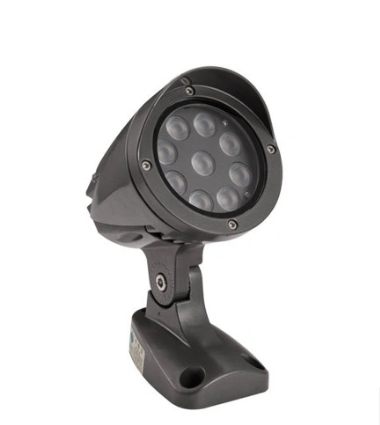
Application of Facade Lighting
1. Commercial Buildings: Facade lighting can enhance the visual appeal and attract customers to commercial buildings such as shopping malls and hotels.
2. Cultural Buildings: Facade lighting can be used to highlight cultural buildings such as theaters and museums, enhancing their distinct features and giving them a new dimension of beauty.
3. Tourist Attractions: Facade lighting can be used to illuminate tourist attractions such as historical sites and monuments, attracting more visitors and creating a stunning night view.
4. Landmarks: Facade lighting can be used to accentuate landmarks, such as bridges and towers, creating an iconic image for the city.
Characteristics of Facade Lighting
1. Emphasis: Facade lighting highlights the distinctive features of the building, which creates a unique visual appeal to passersby.
2. Visual Interest: Facade lighting makes the building a visual interest when viewed from far away, enhancing the cityscape and forming a new night view.
3. Energy Efficiency: LED lighting technology, which is utilized in facade lighting, is an energy-efficient solution.
4. Aesthetic Appeal: Facade lighting adds a layer of aesthetic appeal to the building, transforming it into a work of art.
In conclusion, facade lighting has numerous applications and characteristics, which create an impressive visual impact on the cityscape. It is a visually pleasing means of showcasing a building's unique features, enhancing the cityscape and creating a beautiful view at night. Furthermore, with the integration of LED lighting technology, it is an environmentally-friendly and energy-efficient solution.